
How to Scale a Development Team Without Losing Quality or Speed

As digital products grow, one of the biggest challenges companies face is scaling their development teams effectively. At Kambda, we’ve worked with startups, scale-ups, and enterprise companies that reached a point where their internal capacity was no longer enough, but expanding too quickly created new problems. Scaling is not just about adding more developers. It’s […]
How to Design Effective Dashboards: UX for Data-Driven Products

In today’s digital landscape, data is everywhere, but having data is not the same as understanding it. At Kambda, we’ve worked with multiple companies that collect large volumes of information but struggle to translate that data into actionable insights. This is where well-designed dashboards become critical. Designing effective dashboards is not just about displaying numbers […]
App Store Optimization (ASO): How to Increase the Visibility of Your Mobile Application

Launching a mobile application is a major milestone for any company, but development alone does not guarantee success. At Kambda, we often work with companies that have invested significant time and resources into building high-quality digital products, yet struggle to gain traction because their apps are not easily discoverable in app stores. This is where […]
Design Systems: How to Scale Digital Products Without Losing UX/UI Consistency

As digital products grow, one of the most common challenges we see is maintaining consistency across the interface. New features are added, more designers and developers join the team, and the product expands across different platforms. Without a structured approach, this growth can quickly lead to inconsistent interfaces, duplicated components, and a fragmented user experience. […]
How to Design Accessible Applications from Day One: A UX/UI Checklist

At Kambda, we believe accessibility is not an optional enhancement or a feature added at the end of development. It is a responsibility. Designing digital products with accessibility in mind from the very beginning allows us to create better, more inclusive applications that deliver a stronger user experience for everyone. When we talk about digital […]
Mobile Performance Optimization: Best Practices for Faster and More Efficient Applications

In today’s digital ecosystem, mobile performance is not a luxury, it’s a necessity. At Kambda, we’ve consistently seen how a slow application doesn’t just frustrate users; it directly impacts critical metrics such as retention, conversions, and App Store rankings. When we talk about mobile performance optimization, we’re not only referring to faster load times. We […]
Strategic Push Notifications: How to Design Experiences That Truly Drive Retention

In modern digital product development, getting a user to sign up or download an app is no longer the biggest challenge. The real challenge is keeping that user active, engaged, and coming back. At Kambda, we’ve seen firsthand how well-designed push notifications can be the difference between a product that grows sustainably and one that […]
API Versioning: How to Manage Changes Without Breaking Your Digital Products

At Kambda, we work every day with digital products that are constantly evolving SaaS platforms, mobile applications, internal dashboards, and complex ecosystems powered by APIs. As these products grow, one critical challenge inevitably appears: how do we introduce changes without breaking existing users, integrations, or platforms? This is where API versioning becomes essential for building […]
WordPress as a Headless CMS: How to Scale Your Website Without Losing Flexibility or SEO

For years, we have used WordPress as a powerful tool to build and manage content-driven websites. Its flexibility, maturity, and ease of use make it an excellent CMS. However, as digital products grow and traffic increases, traditional WordPress architectures often start to struggle with performance, scalability, and advanced user experience requirements. That is where WordPress […]
Dark Mode and Adaptive Interface Design, More Than a Visual Trend
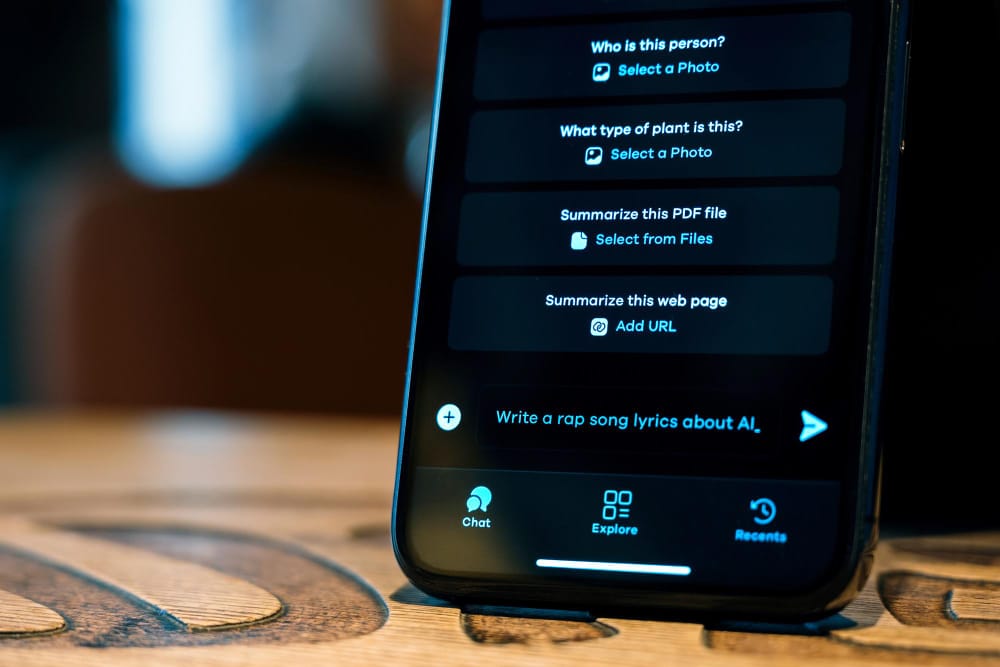
In recent years, dark mode design has evolved from a purely aesthetic preference into a widely expected feature across digital products. Operating systems, mobile apps, and web platforms now offer dark mode and adaptive experiences as a core part of the modern user experience. However, the real value of dark mode goes far beyond visual […]
API-First Development. Why Your Next Digital Product Should Be Built Around APIs

Building modern digital products requires more than clean code or an attractive interface. Today’s businesses need scalable, flexible, and multi-platform architectures that can evolve quickly. This is why many successful tech companies, like Stripe, Twilio, Shopify, Slack, and Notion, design their systems using an API-First methodology. The API-First approach positions APIs as the foundation of […]
The Importance of Data-Driven Design: UX Powered by Analytics and Real User Behavior

In today’s competitive digital landscape, designing products based solely on intuition is no longer enough. The companies that truly stand out are those that understand their users through real evidence, not assumptions. This approach, known as data-driven design, uses analytics, behavior patterns, and continuous optimization to create digital products that genuinely meet user needs. At […]