
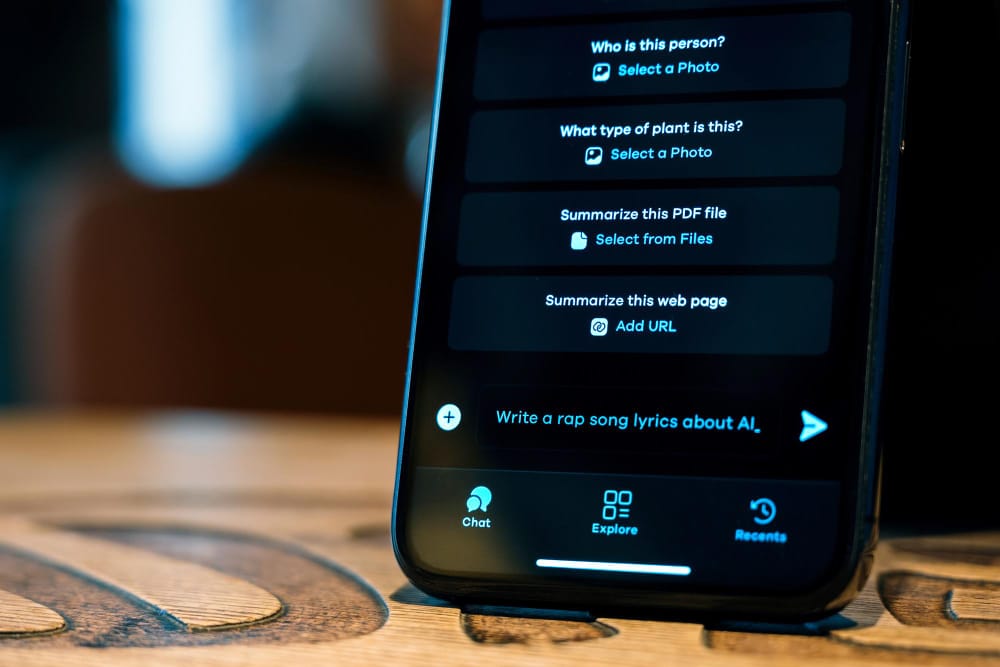
In recent years, dark mode design has evolved from a purely aesthetic preference into a widely expected feature across digital products. Operating systems, mobile apps, and web platforms now offer dark mode and adaptive experiences as a core part of the modern user experience.
However, the real value of dark mode goes far beyond visual appeal. When implemented correctly, it becomes part of a broader approach to adaptive interfaces, capable of responding to context, accessibility needs, and real user behavior.
For companies building modern digital products, such as those working alongside the Kambda team, this approach is no longer optional. It directly impacts key metrics like user retention, engagement, and brand perception. You can explore how this design philosophy connects with modern product development here.
What Is Dark Mode and Why Do Users Prefer It?
Dark mode design refers to an interface style that uses dark backgrounds with light text and UI elements. Its adoption accelerated with platforms like iOS, Android, macOS, YouTube, Instagram, and Spotify, where user behavior clearly showed a strong preference for darker interfaces.
Users tend to choose dark mode for several reasons:
- Reduced eye strain in low-light environments
- Increased comfort during long usage sessions
- Improved focus on content
- A modern, premium visual perception
But dark mode is not just about looks. When designed properly, it enhances usability and strengthens a brand’s digital identity.
Beyond Colors: What Are Adaptive Interfaces?
Adaptive interfaces go far beyond switching between light and dark themes. They are designed systems capable of dynamically responding to:
- User preferences
- Environmental context (lighting, device type, time of day)
- Accessibility requirements
- Usage patterns and behavior
An adaptive approach allows digital products to personalize experiences while maintaining consistency and usability across platforms.
UX and Technical Benefits of Dark Mode and Adaptive Interfaces
Integrating dark mode design into an adaptive interface strategy delivers measurable benefits for both users and businesses.
User experience benefits
- Improved readability when contrast is handled correctly
- Reduced visual fatigue
- Increased session duration
- A greater sense of control when users can choose their preferred mode
Technical benefits
- Battery savings on OLED and AMOLED displays
- Reduced overall screen brightness
- Visual consistency across devices and platforms
These advantages directly influence engagement metrics, return frequency, and overall user satisfaction.
Key Principles for Implementing Dark Mode Correctly
Not all dark modes are well designed. To be effective, they must follow clear UX/UI principles:
- Balanced contrast: Avoid pure white on absolute black; use grayscale palettes for better readability.
- Clear visual hierarchy: Active, inactive, and disabled states must remain distinguishable.
- Subtle animations: Transitions between modes should feel smooth and unobtrusive.
- Consistent states and feedback: Buttons, inputs, and alerts must be equally clear in both modes.
- User control: Allow users to enable, disable, or follow system preferences.
These principles ensure dark mode enhances usability rather than creating accessibility issues.
Dark Mode, Accessibility, and Modern Design Systems
Dark mode design plays a critical role in accessibility when executed properly. Poor contrast, excessive brightness, or improper color choices can negatively impact users with low vision or light sensitivity.
That’s why modern design systems integrate:
- Adaptive color tokens
- Components prepared for multiple visual modes
- WCAG contrast validation
- Accessibility testing from the design stage
Adaptive interfaces allow these systems to scale without sacrificing visual consistency or usability, making products easier to maintain and evolve.
How Dark Mode Improves Retention and Engagement
Several real-world cases show that offering dark mode as a native feature can:
- Increase time spent in mobile applications
- Reduce night-time user drop-off
- Improve perceived product quality
- Encourage adoption among power users
Platforms like Twitter (X), Reddit, and YouTube have reported positive engagement metrics after implementing dark mode as a first-class feature.
How Kambda Implements Dark Mode and Adaptive Design
At Kambda, dark mode is not treated as a simple color swap. It is part of a broader adaptive design strategy focused on scalability, accessibility, and performance.
From early design stages through development, Kambda’s team builds systems that:
- Use components designed for multiple visual modes
- Apply adaptive logic based on device and context
- Maintain consistency across web and mobile platforms
- Meet accessibility standards from the start
Using technologies such as React, Next.js, React Native, and Flutter, Kambda creates cohesive digital experiences that perform consistently across environments. This approach is deeply integrated into the UX/UI and development services Kambda provides, which are detailed in our services
The Future of Design Is Adaptive
Dark mode design is no longer a passing trend, it is a core expectation of modern users and a fundamental element of adaptive interfaces that define successful digital products. Brands that embrace adaptive design don’t just improve aesthetics; they deliver more inclusive, efficient, and user-centered experiences aligned with real-world usage patterns. At Kambda, this philosophy translates into digital solutions built to adapt, scale, and evolve.